What you'll learn
- What interview intelligence software actually does
- How we evaluated these platforms
- The 6 best interview intelligence platforms in 2026
- Interview intelligence platform comparison table
- How to choose the right platform for your team
- Frequently asked questions
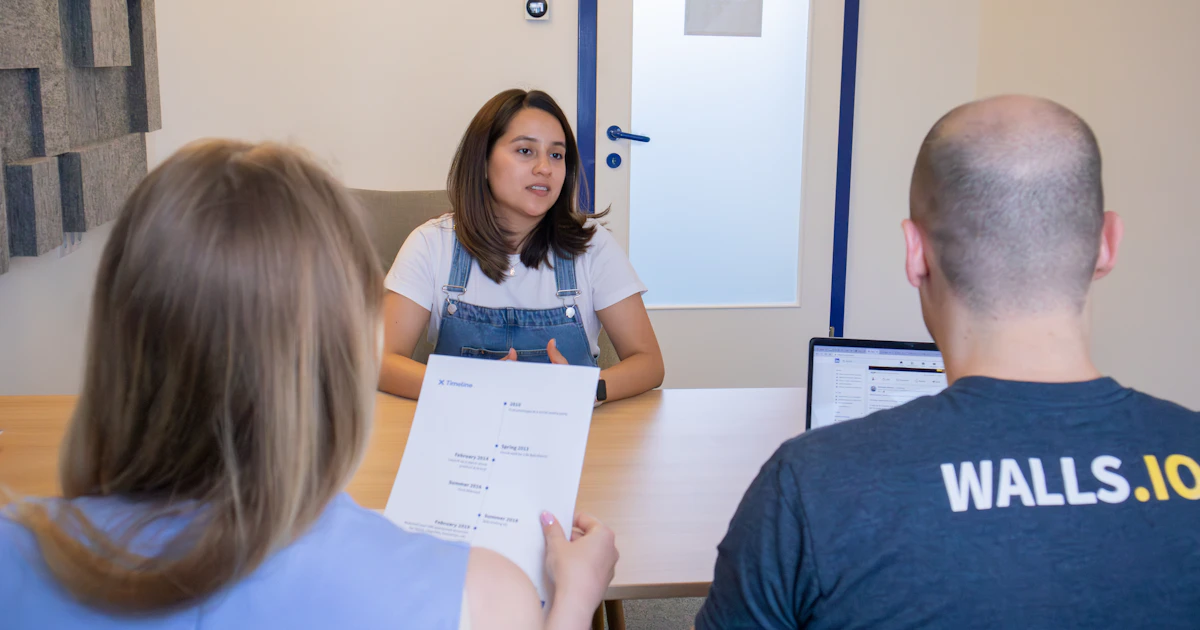
Interview intelligence software records, transcribes, and analyzes interview conversations to surface what actually happened in the room — which questions got asked, how much each interviewer talked relative to the candidate, and whether the evaluation criteria interviewers cited in a scorecard actually match what was discussed. The category exists because interview debriefs run almost entirely on memory and impression, and memory is a genuinely unreliable input for a decision as consequential as a hire. This guide compares six interview intelligence platforms active in 2026, evaluated on transcription and analysis accuracy, scorecard automation quality, interviewer coaching depth, and how directly the platform connects interview data back to actual hiring outcomes.
What interview intelligence software actually does
Quick answer
At its core, interview intelligence software records and transcribes interview conversations, then applies analysis to surface patterns — talk-time ratio between interviewer and candidate, which topics and questions actually got covered, keyword and competency mentions mapped against a defined scorecard, and consistency between what was discussed and what an interviewer's written feedback actually claims. This turns an interview from an entirely subjective, memory-dependent event into one with an actual evidence record.
The most valuable application isn't retrospective analysis of a single interview — it's aggregate pattern detection across many interviews and interviewers over time: identifying which interviewers consistently dominate talk time and leave candidates little room to demonstrate their thinking, which specific questions actually correlate with strong subsequent on-the-job performance, and where interview panels are drifting from the structured, calibrated process they were trained on.
Interviewer coaching is where the strongest platforms in this category differentiate themselves — surfacing specific, actionable feedback to individual interviewers about their own patterns (talking too much, asking leading questions, insufficient follow-up probing) rather than just aggregating data for a recruiting operations dashboard nobody outside HR ever looks at.
How we evaluated these platforms
Quick answer
We scored each platform on transcription and speech analysis accuracy, depth and specificity of interviewer coaching feedback, scorecard automation quality, ATS integration, and data privacy and consent handling — a genuinely important consideration for a category that records conversations with job candidates.
Interview intelligence software turns an interview from an entirely subjective, memory-dependent event into one with an actual evidence record — and the highest-value application is aggregate pattern detection across many interviews and interviewers over time, not retrospective analysis of a single conversation.
The 6 best interview intelligence platforms in 2026
InCruiter
Interview intelligence built into a structured video interview and AI screening platform
Key Features
- IncVid captures structured video interviews with full recording, transcription, and session management built into the same platform used to conduct the interview
- IncBot's behavioral analysis extends interview intelligence into AI-evaluated first-round screening, applying consistent transcript-level analysis across every candidate rather than only human-led later rounds
- Structured scorecard delivery with dimension-level behavioral evidence quotations pulled directly from the interview transcript, creating a defensible link between what was said and how it was scored
- Interviewer calibration reporting that surfaces talk-time ratio, question consistency across a panel, and scoring pattern deviation from a defined rubric
- Native ATS integration ensuring interview intelligence data and scorecards write directly to the candidate record used for hiring decisions
Pros
- Interview intelligence built directly into the interview platform itself, rather than as a bolt-on recording layer added to whatever video conferencing tool a team already uses, means the transcript-to-scorecard evidence chain is native rather than reconstructed after the fact
- Extending intelligence and analysis into AI-evaluated first-round interviews via IncBot gives visibility into evaluation consistency at a funnel stage most interview intelligence competitors don't reach, since they're built to layer onto human-led interviews specifically
Cons
- Teams already standardized on a separate video conferencing tool for interviews and specifically wanting to add an intelligence layer on top, rather than adopting a connected interview platform, may find InCruiter's integrated approach requires more of a workflow change than a pure add-on tool
- Pricing requires a sales conversation to model against the specific combination of interview intelligence, screening, and scheduling modules a team needs
Verdict
InCruiter is the strongest choice for teams that want interview intelligence natively connected to structured scorecards and, optionally, AI-evaluated first-round screening, rather than a recording and analytics layer bolted onto a separate video conferencing tool.
Learn moreMetaview
AI-generated interview notes and summaries with strong ATS writeback
Key Features
- AI-generated structured interview summaries and notes, automatically organized against a defined scorecard or question framework
- Integration with major video conferencing tools (Zoom, Google Meet, Microsoft Teams) rather than requiring a dedicated interview platform
- Automated ATS writeback of interview notes and scorecards, reducing manual data entry after every interview
- Interview question library and consistency tracking across panel interviews for the same role
- Candidate consent and recording disclosure workflows built into the scheduling and joining flow
Pros
- Working on top of whatever video conferencing tool a team already uses, rather than requiring a switch to a dedicated interview platform, makes Metaview a lower-friction add-on for teams not ready to change their core interviewing tool
- The AI-generated note quality genuinely reduces the manual note-taking burden that distracts interviewers from actually listening and engaging during the conversation itself
Cons
- As an add-on layer to existing video conferencing tools, Metaview doesn't extend intelligence into AI-evaluated or asynchronous first-round screening the way a fully integrated interview platform can
- Deep interviewer coaching and calibration features are less developed than platforms built specifically around structured hiring bar consistency across a large interviewer pool
Verdict
Metaview is a strong choice for recruiting teams whose primary need is eliminating manual interview note-taking and getting clean, structured notes into the ATS automatically, without switching their core video conferencing setup.
BrightHire
Interview intelligence with a strong focus on hiring manager and interviewer training
Key Features
- Interview recording and transcription with automated highlight reels surfacing key candidate responses for hiring team review without watching full recordings
- Interviewer scorecard analytics tracking calibration consistency and identifying interviewers whose ratings deviate meaningfully from panel consensus over time
- Structured interviewer training content and coaching workflows built around real interview examples from the organization's own recorded interviews
- Talk-time and question-pattern analytics surfaced directly to individual interviewers for self-improvement
- Integration with major ATS platforms for scorecard and evaluation data sync
Pros
- Using an organization's own real recorded interviews as training material for interviewer coaching is more directly relevant and more likely to change behavior than generic interview training content disconnected from how interviews actually happen at that specific company
- Automated highlight reels meaningfully reduce the time burden of interview intelligence review — hiring team members can review key moments rather than committing to a full recording replay for every debrief
Cons
- The platform's emphasis on interviewer training and coaching, while valuable, means teams primarily looking for scorecard automation and ATS writeback without a training component may find other platforms more narrowly focused on their specific need
- Realizing the full value of the training and coaching features requires organizational commitment to actually reviewing and acting on the coaching content, not just having the feature available
Verdict
BrightHire is the strongest choice for organizations specifically prioritizing interviewer skill development and hiring bar consistency at scale, using real recorded interviews as the training foundation rather than generic content.
Pillar
Interview intelligence with structured competency-based analysis
Key Features
- Interview recording and AI analysis mapped directly against a customer-defined competency framework, surfacing evidence for each specific competency assessed
- Automated interview guide generation suggesting structured questions tied to the role's defined competencies before the interview happens
- Bias and inclusion analytics flagging patterns like interruption frequency or disparate question depth across candidate demographics
- Integration with major ATS and video conferencing platforms
- Panel calibration reporting comparing individual interviewer scores against aggregate panel consensus for the same competencies
Pros
- Tight integration between interview analysis and a specific, customer-defined competency framework produces more directly actionable evaluation evidence than generic transcript analysis not mapped to any particular evaluation structure
- Bias and inclusion analytics, including interruption frequency and question depth disparities, surface a category of interview quality issue that most competitors in this space don't specifically analyze for
Cons
- The platform's value depends significantly on having a genuinely well-defined competency framework already in place — organizations without one will need to invest in that foundational work before Pillar's competency-mapped analysis delivers its full value
- Enterprise pricing and implementation are calibrated for organizations with the process maturity to define and maintain a structured competency framework, which adds setup complexity relative to more generic interview intelligence tools
Verdict
Pillar is the strongest choice for organizations that already have, or are building, a defined competency framework and want interview intelligence analysis tightly mapped to that specific structure rather than generic transcript analysis.
Clovers
Interview intelligence with an emphasis on structured interviewing and DEI analytics
Key Features
- Interview recording and transcription with structured interview guide adherence tracking, flagging when interviewers deviate from a planned question set
- DEI-focused analytics tracking interview experience consistency across candidate demographics
- Automated scorecard generation with evidence citations pulled from the interview transcript
- Interview guide builder helping teams standardize questions before interviews happen, not just analyze them afterward
- Integration with major ATS platforms for evaluation data sync
Pros
- The explicit focus on structured interview guide adherence directly addresses one of the most common causes of inconsistent hiring decisions — interviewers who quietly drift from the agreed question set and evaluation criteria over time
- DEI-specific analytics give organizations concrete, evidence-based visibility into interview experience consistency that a general engagement survey or exit interview process wouldn't surface
Cons
- The platform's strongest differentiation is in structure adherence and DEI analytics specifically — organizations looking primarily for AI-generated coaching content or first-round screening automation may find other platforms more complete for those specific needs
- As with any interview intelligence platform, realizing the DEI analytics value requires genuine organizational commitment to acting on flagged patterns, not just having the data available
Verdict
Clovers is a strong choice for organizations specifically prioritizing structured interview consistency and wanting concrete, evidence-based visibility into interview experience equity across candidate demographics.
Aspect by Zoom
Interview intelligence built natively into the Zoom platform
Key Features
- Native interview recording, transcription, and analysis built directly into Zoom, requiring no separate platform for teams already conducting interviews on Zoom
- AI-generated interview summaries and structured note capture integrated with the meeting itself
- Talk-time and sentiment analysis surfaced automatically after each recorded interview
- Integration with major ATS platforms for evaluation and scorecard data sync
- Built-in recording consent and disclosure workflow as part of the standard Zoom meeting flow
Pros
- For organizations already standardized on Zoom for interviews, the native integration eliminates the friction and cost of adopting an entirely separate interview platform or third-party add-on layer just for intelligence and analysis
- Consent and disclosure handling built directly into the familiar Zoom meeting flow reduces the setup and training burden of introducing a new tool specifically for this purpose
Cons
- Interviewer coaching depth and competency-mapped analysis are less developed than platforms specifically built around structured hiring bar consistency, like BrightHire or Pillar
- Value is tied directly to being a Zoom-standardized organization — teams using a different primary video conferencing tool for interviews gain little from Aspect specifically
Verdict
Aspect is the right choice specifically for organizations already standardized on Zoom for interviews wanting a native, low-friction intelligence layer without adopting a separate dedicated platform.
Interview intelligence platform comparison table
| Platform | Best For | Interviewer Coaching | AI Screening Extension | Competency Mapping |
|---|---|---|---|---|
| InCruiter | Connected screening + intelligence | Yes | Yes (IncBot) | Yes |
| Metaview | Note automation on existing video tool | Limited | No | Limited |
| BrightHire | Interviewer skill development at scale | Yes (deep) | No | Limited |
| Pillar | Competency framework mapping | Limited | No | Yes (deep) |
| Clovers | Structure adherence + DEI analytics | Limited | No | Yes |
| Aspect by Zoom | Native Zoom integration | Limited | No | Limited |
How to choose the right platform for your team
Quick answer
If your team is already standardized on a specific video conferencing tool and wants a lower-friction intelligence layer without switching interview platforms, Metaview or Aspect by Zoom are the right starting point. If your primary goal is developing interviewer skill and hiring bar consistency across a large interviewer pool using real recorded examples, BrightHire's training-focused approach is the stronger fit.
If your organization has, or is building, a defined competency framework and wants interview analysis mapped tightly to it, Pillar offers the deepest competency-specific analysis. If structured interview guide adherence and DEI-specific analytics are the priority, Clovers is purpose-built for that emphasis.
For teams that want interview intelligence connected directly to structured evaluation, scorecards, and optionally extended into AI-evaluated first-round screening rather than layered separately onto an existing video tool, InCruiter's integrated IncVid and IncBot combination avoids the disconnect between recording, analysis, and the actual hiring decision that a bolt-on intelligence tool can't fully close. For the broader structured interviewing methodology this data feeds into, see our guide on structured interview scorecards.
The category splits into platforms that layer onto an existing video conferencing tool and platforms built natively into a structured interview and screening workflow — the right choice depends on whether your priority is a low-friction add-on for note automation or a connected system linking recorded evidence directly to scorecards and hiring decisions.
Frequently asked questions
Quick answer
The most common questions in this category address candidate consent, data privacy, and how interview intelligence connects to hiring outcomes.
Frequently asked questions
Common questions about interviewing and how InCruiter helps teams solve them.
InCruiter Editorial Team
AI Hiring Research · Interview Intelligence · Enterprise Talent Strategy
The InCruiter editorial team covers AI-driven hiring, interview intelligence, and modern talent acquisition strategy. Our guides draw on platform data from 2,000+ hiring teams, conversations with talent leaders, and published research in industrial-organizational psychology.